
To speak of Colombian coffee is to speak of a tradition that has shaped landscapes, families, and a national identity the world recognizes with immediate familiarity, which makes it a universal language. Each bean carries a story of mountains, skilled hands, and a country whose geography seems designed to produce one of the most admired coffees on the planet. Colombia offers a unique combination of factors that few coffee‑growing regions can replicate: volcanic soils rich in minerals, elevations that rise from 1,200 to more than 2,200 meters, and microclimates that shift from valley to valley, allowing for fresh harvests throughout the year. These natural conditions encourage slow fruit maturation, resulting in an aromatic complexity that has become the country’s signature—softness, natural sweetness, and a bright acidity that never overwhelms.
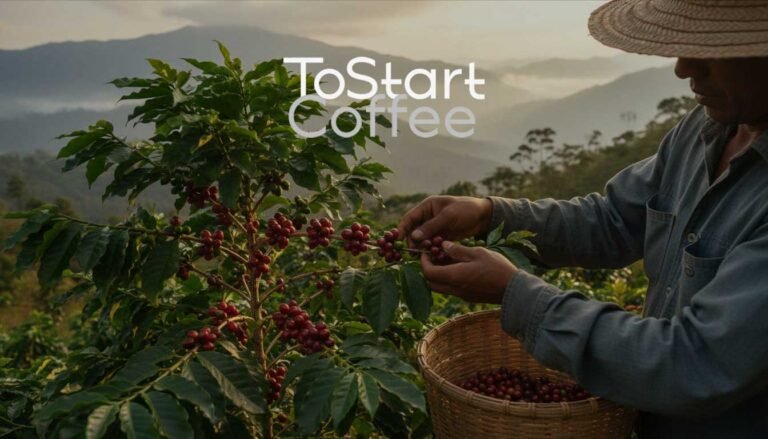
Unlike many other producing countries, coffee harvesting in Colombia remains a manual craft. Thousands of farmers handpick only the ripe cherries, one by one, ensuring that only fruit at its perfect point of maturity enters the processing stage. This artisanal care is one of the reasons Colombian coffee maintains quality standards that the international market consistently recognizes and rewards. Since the mid‑20th century, the country has positioned itself as one of the world’s leading references in specialty coffee, a reputation built on the consistency of its cup profile, the traceability that distinguishes each region—Huila, Nariño, Cauca, Antioquia—and the institutional strength that supports producers and guarantees standardized processes.
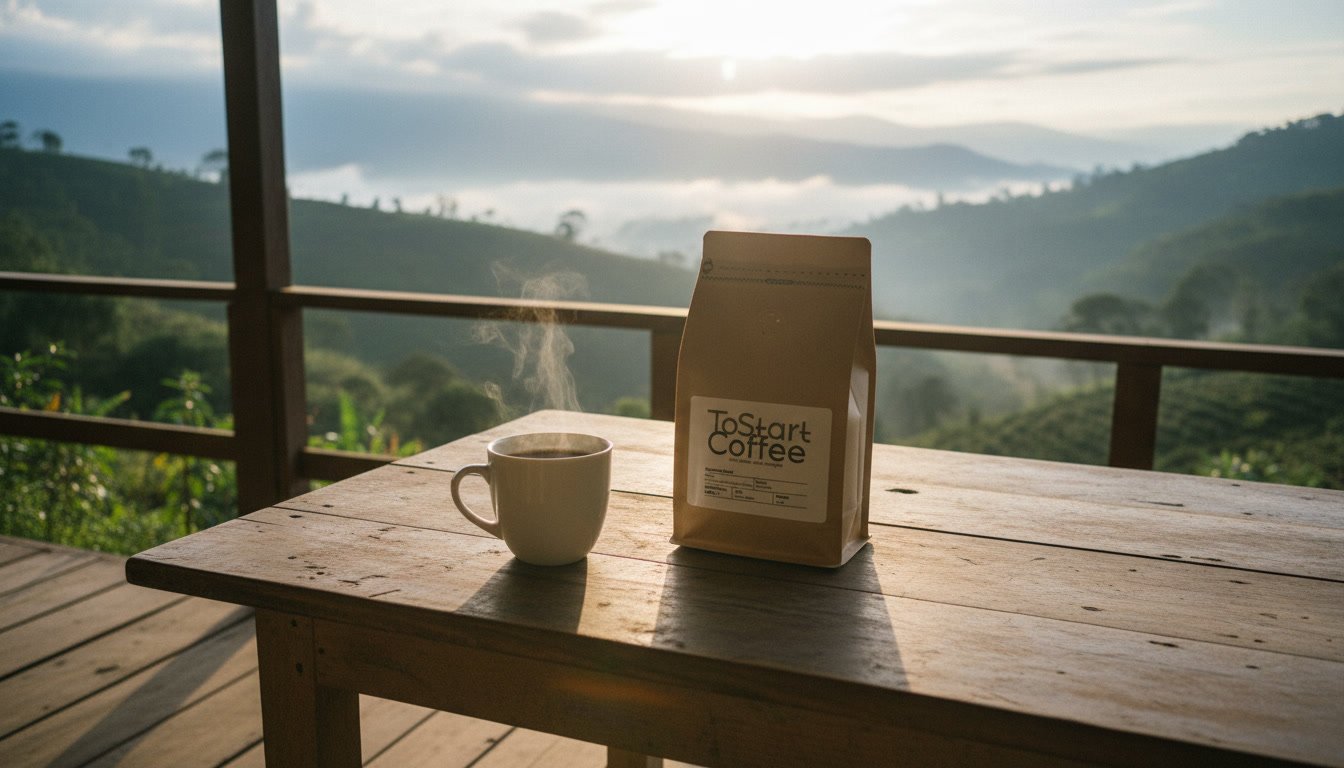
Today, in cafés from Tokyo to New York, Berlin, or Melbourne, ordering a “Colombian coffee” is synonymous with choosing a reliable, balanced, and noble origin. Its sensory profile captivates not only for its smoothness but also for the richness of its nuances: bright citrus notes, caramel or panela sweetness, fruity accents reminiscent of red berries, floral aromas, and a silky body that invites a moment of calm with every sip. Colombian coffee is more than a crop; it is a cultural symbol, an economic engine, and a bridge between tradition and modernity. Its global prestige is no coincidence—it is the result of generations who have perfected their craft and of a country whose geography offers conditions that cannot be replicated.